
Intention and Obstacles
Masterclass by Aaron Sorkin. Sound and Music in Cinema. Coraline by Neil Gaiman. Suno AI. Street Photography Inspiration.

Here’s a few things that I’m happy to share with you from my previous week:
On Books and Learning
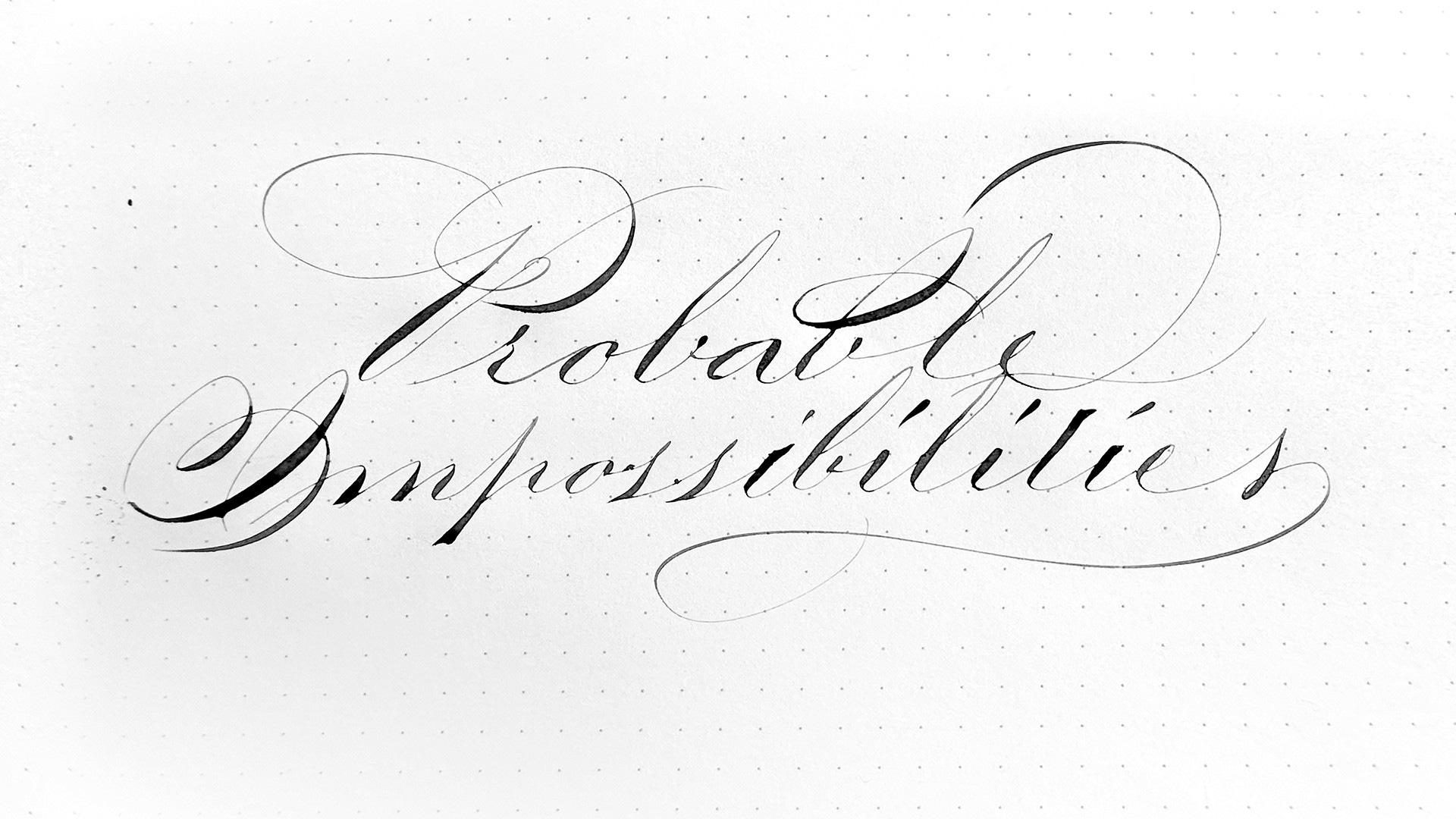
I completed the masterclass by Aaron Sorkin. With this one, I think I am done with all the masterclasses that are currently published related on the topic of writing. Although it focuses on writing screenplays or TV scripts, it provided valuable insights. One aspect that stood out to me was Aaron Sorkin’s emphasis on “intention” and “obstacles” of characters as the foundation of storytelling. He also introduced me to Aristotle’s poetics, which I have now added to my read-it-later list. Sorkin mentioned a quote from Aristotle’s poetics that has been lingering in my mind: 'With respect to the requirements of art, a probable impossibility is to be preferred to a thing improbable and yet possible.’
I listened to this masterclass by Sundance Collab on “Creating the Soundscape of your Film.” While I have spent a lot of time researching and learning about various aspects of filmmaking, one area that I have purposely ignored is the music/soundtrack aspect of filmmaking. My approach to music has always been open and free from set structures, and I’ve always believed that music is a powerful language on its own. This is something that many prominent filmmakers seem to overlook or approach differently. In fact, I often find myself bothered by filmmakers who try to compensate for the lack of cinematic language by relying heavily on music, or those who use music in a literal way to manipulate the audience’s response. I was surprised to find that this masterclass aligns with my own perspective. I was not expecting to hear this from composers themselves: "Music is inherently manipulative. The trick is not getting caught manipulating." Here’s another important insight: "The directors who are willing to release a film without music are the ones who truly value and understand the role of music."
Along the same lines, I recently watched the documentary "Making Waves: The Art of Cinematic Sound". This turned out to be an excellent masterclass on cinema sound design and production. The documentary not only explains the various aspects of sound in cinema, but also emphasizes how sound greatly contributes to the overall cinematic experience from a creative perspective. In my opinion, the essence of cinema lies in the experience it offers to viewers. This documentary helped me understand and appreciate sound more deeply.
I read Coraline by Neil Gaiman. Until a few months ago, I was unfamiliar with Neil Gaiman, but after taking his masterclass, I was interested in exploring more of his work. This book is primarily aimed at teenagers and children, but I thoroughly enjoyed it (and it was an easy read, of course). I particularly appreciated all the imaginative elements—the novel somehow reminded me of the gothic vibes often found in the work of Tim Burton.
I watched this video on street photography with Trevor Wisecup, and I was truly amazed by the insights and inspiration it provided for anyone interested in street photography. I’ve been following Trevor’s work on Instagram for quite some time, and I absolutely love his work. However, seeing him in action, passionately talking about his craft and the reasons behind it, was truly special. It almost felt like taking a walk with a good friend. By the way, the camera he doesn’t disclose in the video is the Chinon Auto 3001.
On AI
This week I discovered Suno AI. I don’t know how come I’m just finding out about this. Imagine Midjourney, but for music creation. It has blown my mind.
This past weekI shared an update on my shortcut, ToolVox AI—to interact with popular LLMs. Check it out if you haven’t already.
On Cinema
My Donkey, My Lover & I (2020) . Lighthearted and entertaining while still original and defying expectations. I liked it! Antoinette, a school teacher, is looking forward to her long planned summer holidays with her secret lover Vladimir, the father of one of her pupils. When learning that Vladimir cannot come because his wife organized a surprise trekking holiday in the Cévennes National Park with their daughter and a donkey to carry their load, Antoinette decides to follow their track, by herself, with Patrick, a protective donkey.
Cloudy Times (2014). There’s nothing quite like a personal cinema experience, and this observational documentary beautifully showcases it once again. Synopsis: Arami Ullón must return to Paraguay to make an important decision: what will happen to her sick mother, Mirna? The heartfelt gaze of the camera reveals a relationship filled with love, but also unspoken and unresolved issues. A sensitive film which examines the inner turmoil of the daughter during the final stages of her mother’s degenerative illness.

If you liked this you may also enjoy some content I have up on my YT Channel! I don’t hang around social media a lot, but when I do I’m on IG or Twitter. You can also check out some of my online classes, listen to my music, or in case you haven’t already, subscribe to my weekly newsletter. Thank you for reading!